What is SideQuest?
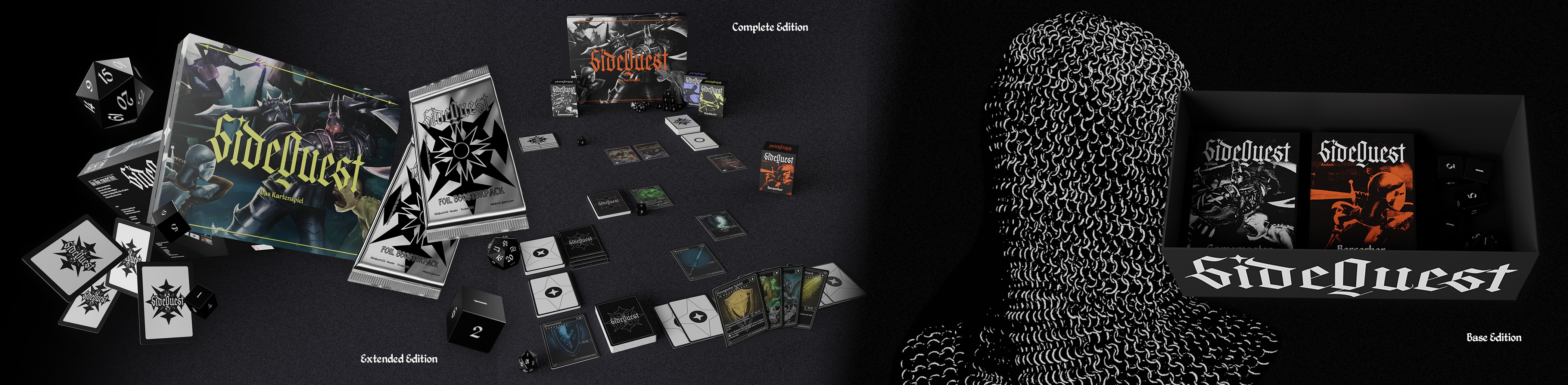
A strategic adventure card game. 1–3 heroes against a treacherous gamemaster.
Fight with weapons, spells and creatures against the gamemaster’s monsters to defeat the boss in the end.
No two games are ever alike.
 1–4
Players
1+
Hours
12+
Age
1–4
Players
1+
Hours
12+
Age
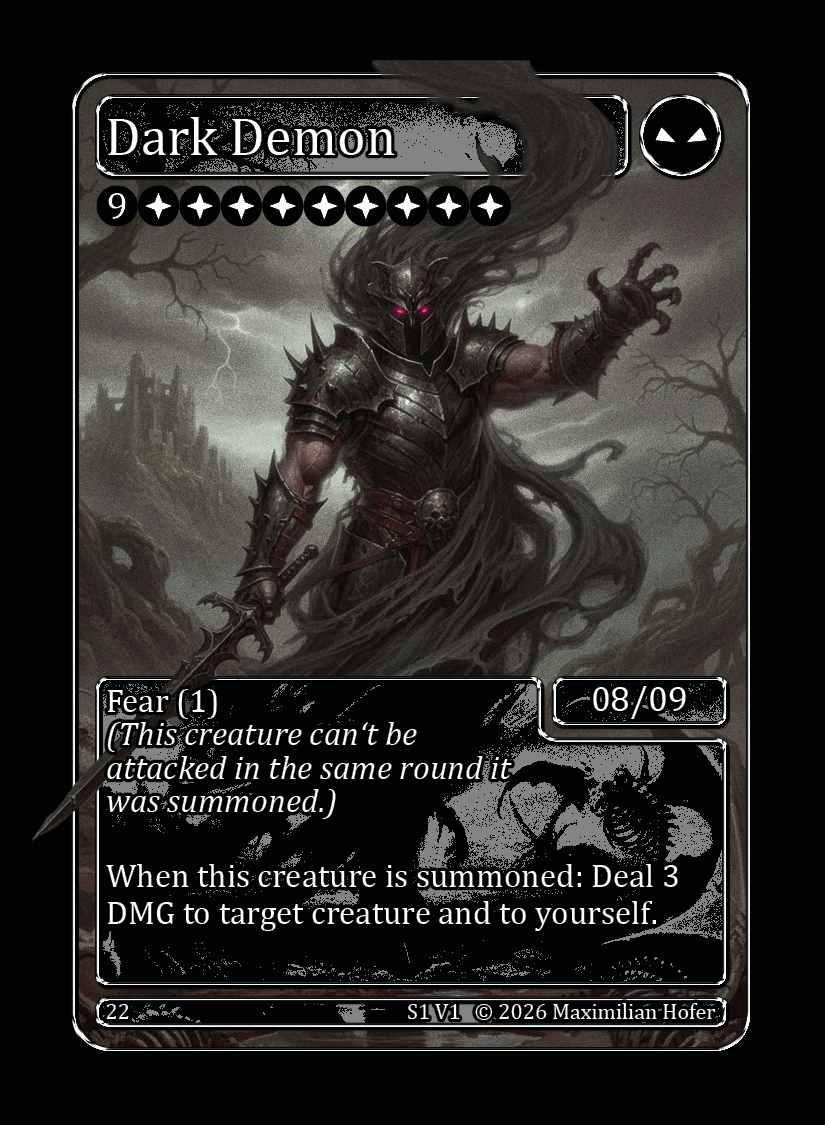
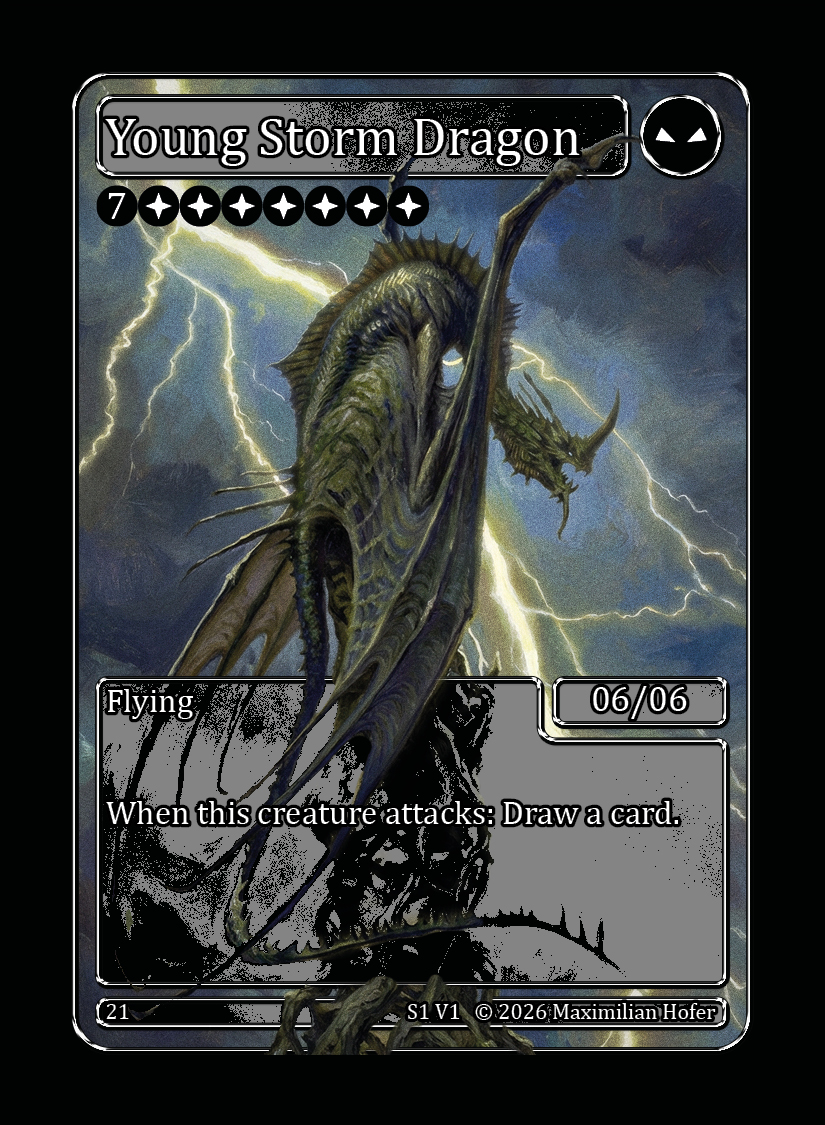
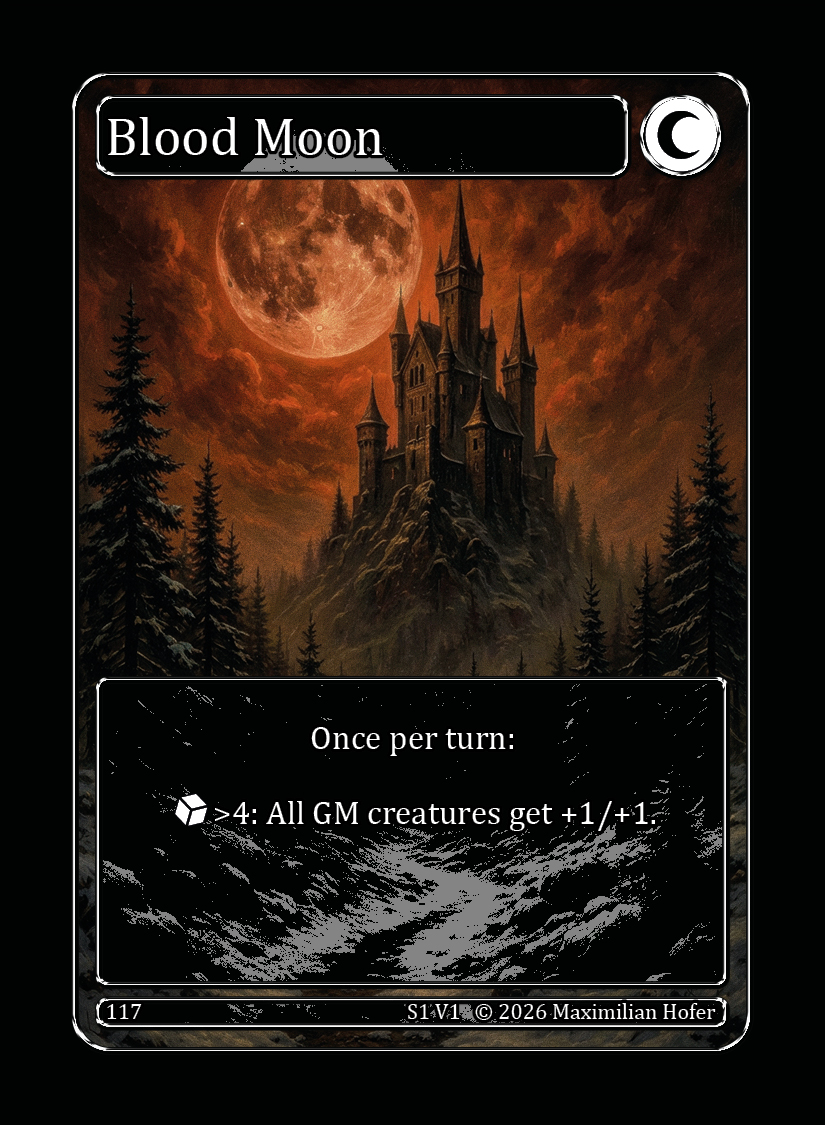
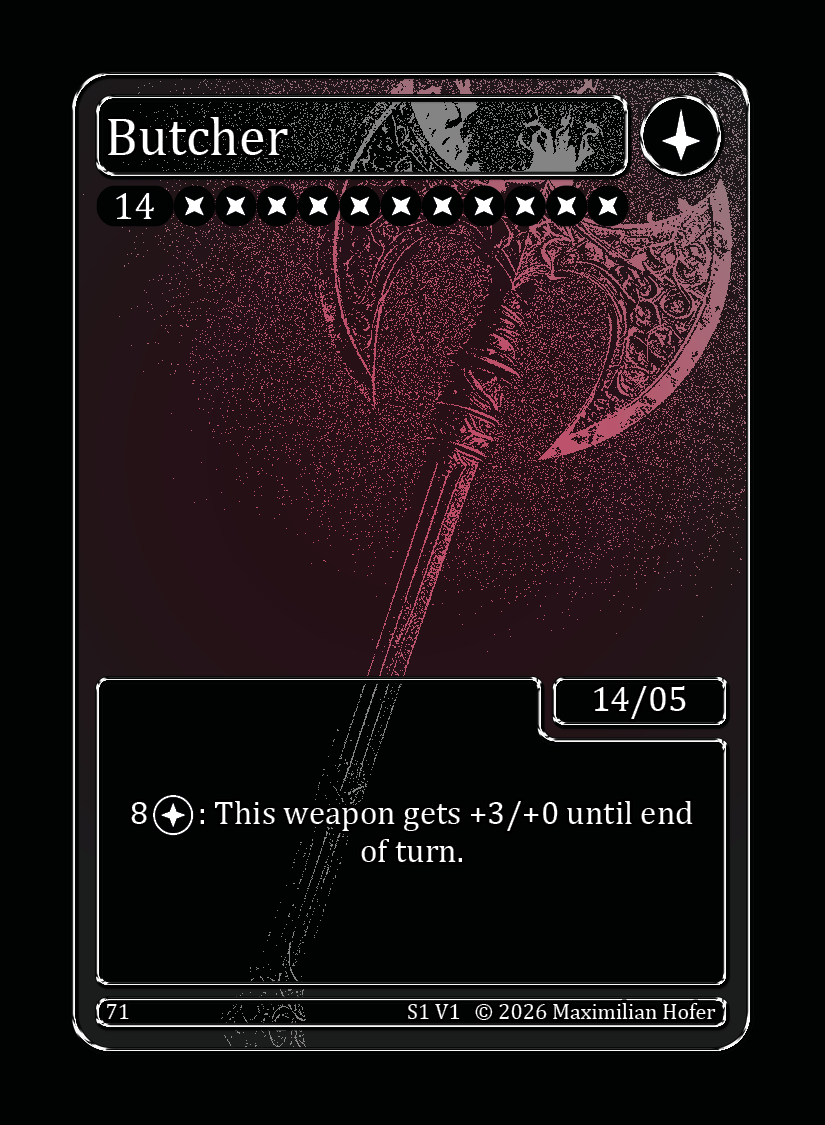
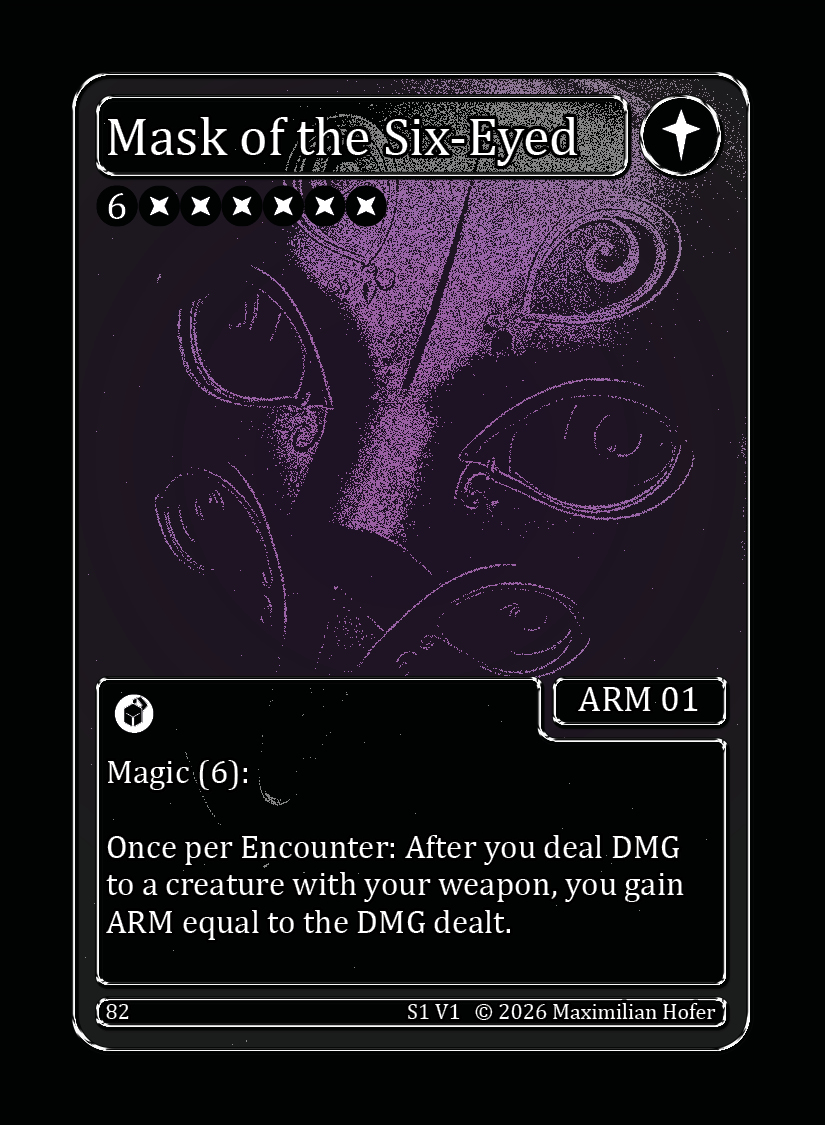
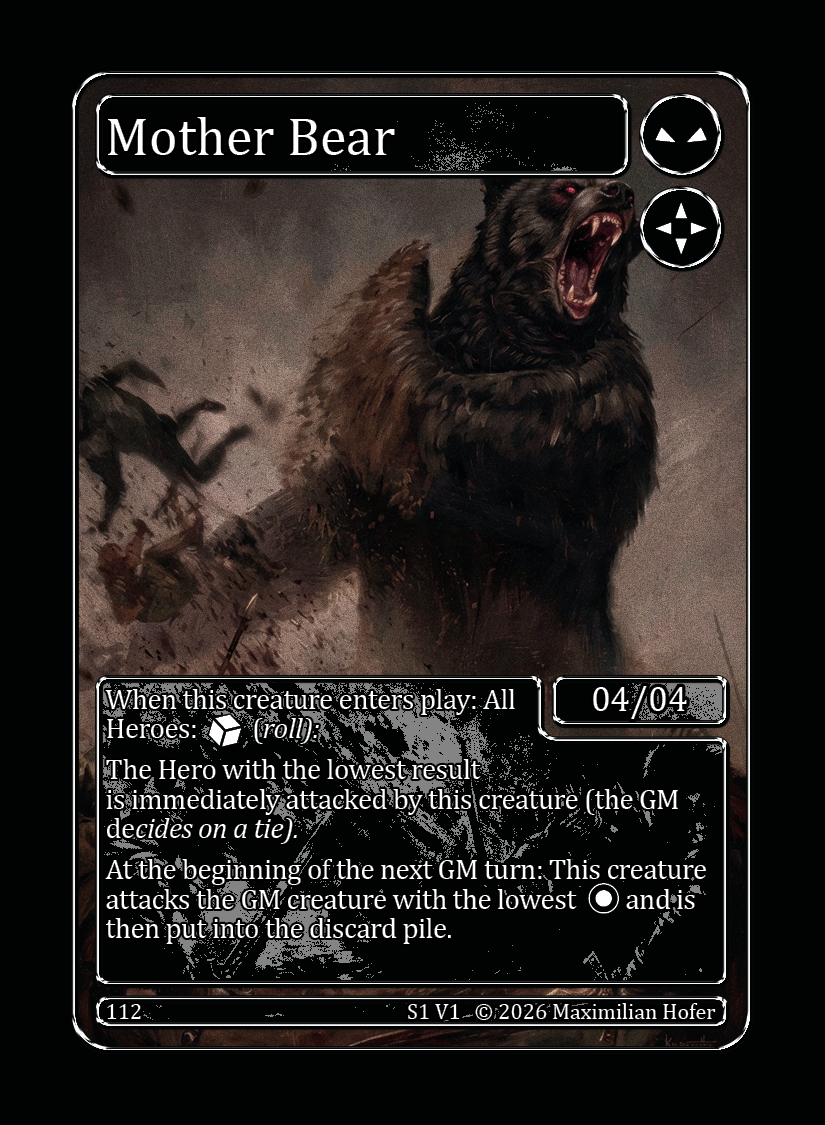
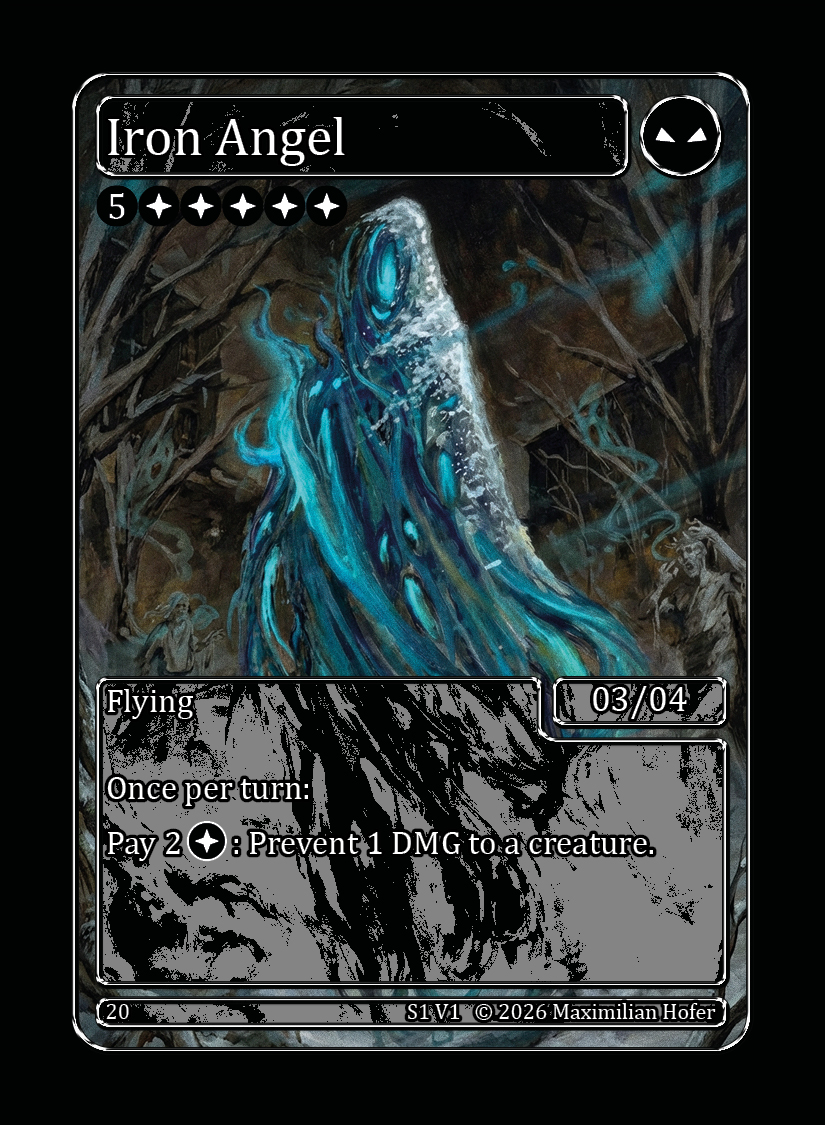
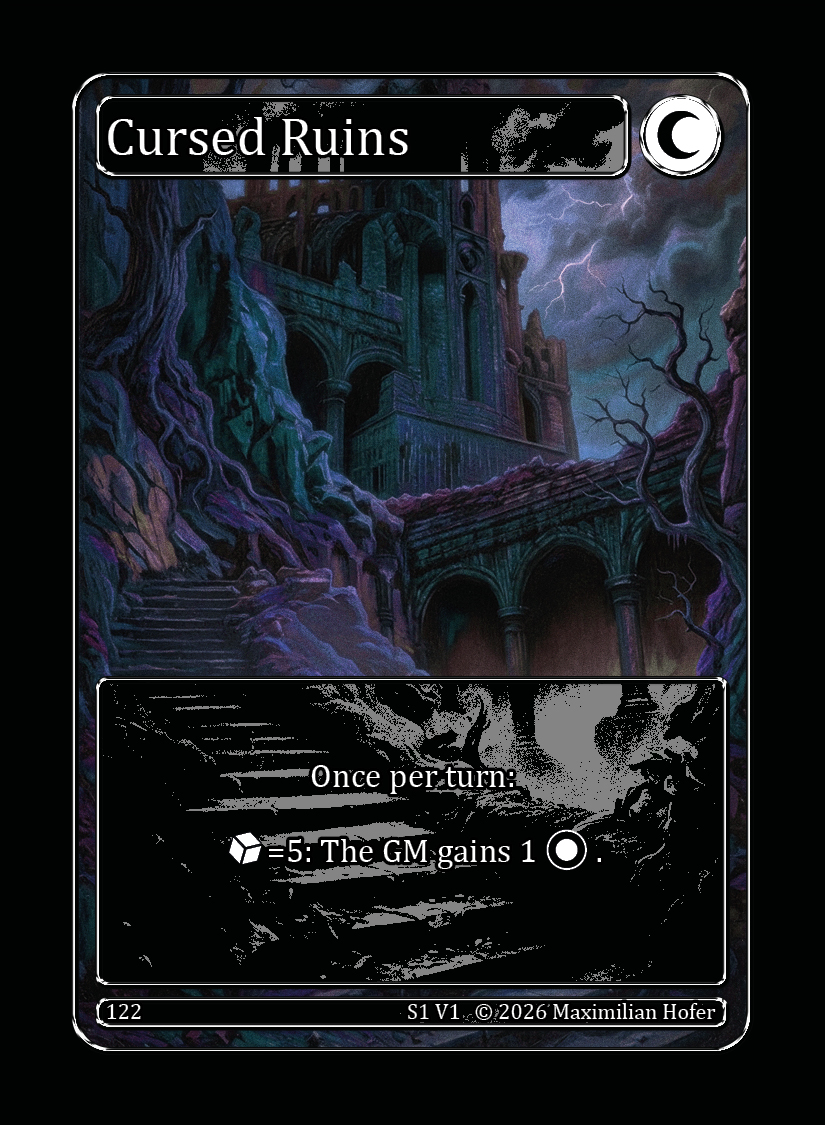
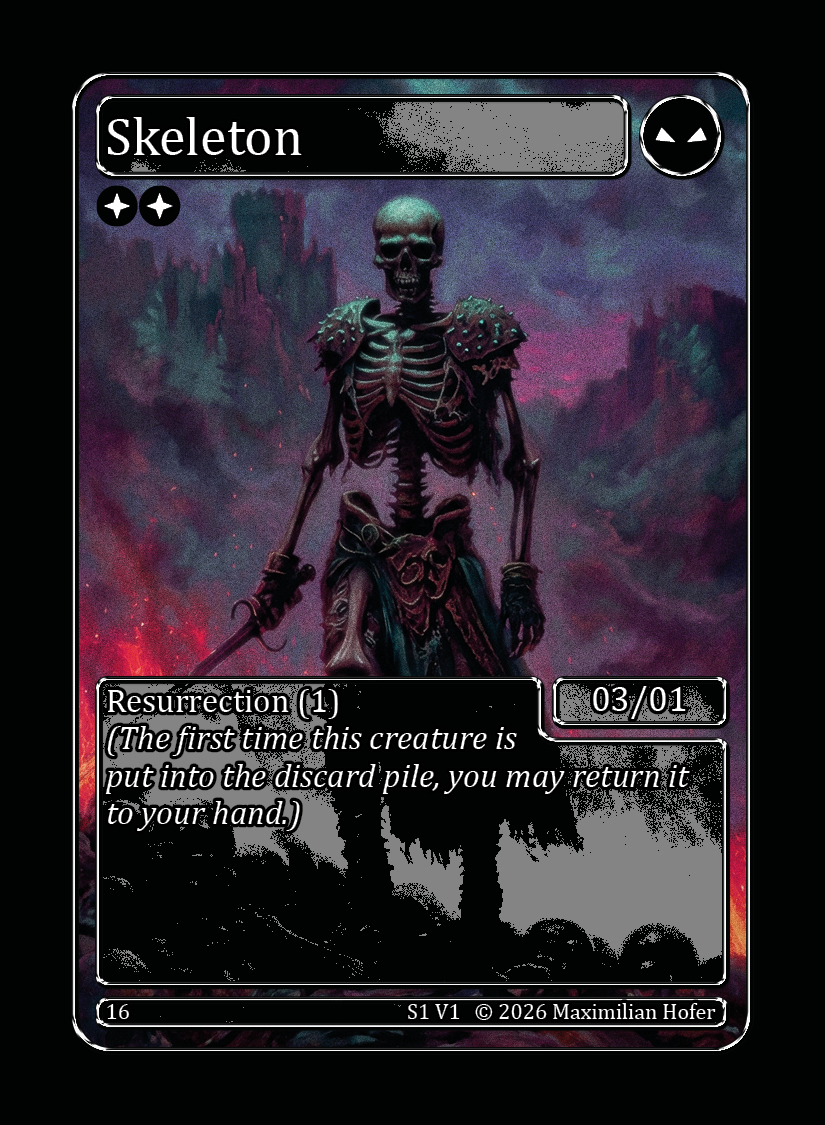
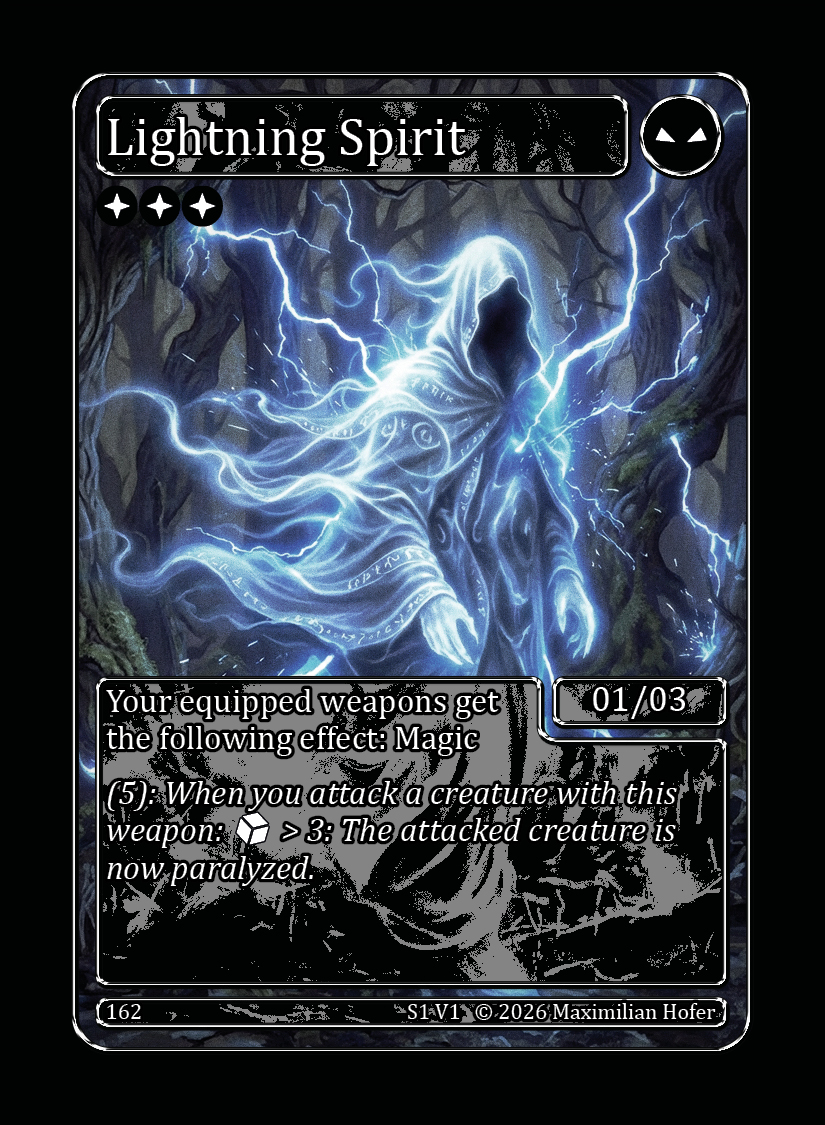
Over 200 different cards – endless variety in every game.
All hope is lost.
The world has finally turned against humankind.
For thousands of years, people fanatically tried to preserve their faith in the good and the holy. Spiritual and transcendental dimensions were explored, allowing humans to evolve beyond the limits of flesh, bone and breath.
Natural disasters, plague and apostles of horror multiplied unstoppably. Earthquakes tore cities in two, black storms swept across the fields, and from the poisoned swamps crawled beings whose mere sight corroded the mind.
The few survivors have withdrawn and, in miraculous ways, managed to carry on. Some paid for it with their sanity.
Humans could only secure their survival through daily and exceedingly hard fighting. Yet the forefathers succeeded in building cities and fortresses that offered humankind protection for several centuries.
In that long-gone era of protection, humanity was able to develop almost unhindered. Blades shimmered like frozen moonlight, armor bore engraved promises of the light.
But from generation to generation, not only did humans grow stronger – the world and its horrors grew ever deadlier as well.
The number of humans dwindled rapidly until only a fraction of them remained. Now there are but a few small communities of people, each specialized in its way of life.
Demo
All hope is lost. The world has finally turned against humankind.
For thousands of years, people fanatically tried to preserve their faith in the good and the holy. Spiritual and transcendental dimensions were explored, allowing humans to evolve beyond the limits of flesh, bone and breath. Masters of magic, blessed knights and other bearers of hope rose up against evil.
Natural disasters, plague and apostles of horror multiplied unstoppably. Of what was once a vibrant bustle of splendidly built cities, villages, cathedrals and castles, nothing remains today but dark and abandoned ruins.
The few survivors have withdrawn and, in miraculous ways, managed to carry on. Some paid for it with their sanity. Man was a soft creature in a world of teeth, claws and immense bodies.
Humans could only secure their survival through daily and exceedingly hard fighting. Yet the forefathers succeeded in building cities and fortresses that offered protection for centuries – labyrinthine, towering, set upon steep mountains and deep lakes.
In that era of protection, humanity was able to develop almost unhindered: blades shimmered like frozen moonlight, armor bore engraved promises of the light, and some strikes conjured lightning.
After several centuries, a comprehensive awareness of humankind and the world was established – some could hear voices from distant spheres, others saw cracks in space like fine fractures in glass.
But from generation to generation, not only did humans grow stronger – the world and its horrors grew ever deadlier too. Forests grew denser than axes could clear them.
And so it came that the people could no longer protect themselves behind the walls of their ancient strongholds. The fortresses became traps of stone, and the people had to scatter.
Now there are but a few small communities of people, each specialized in its way of life – in treetops, deep within mountains, or on secluded islands, surrounded by mist and the constant feeling that something waits beneath the surface.